
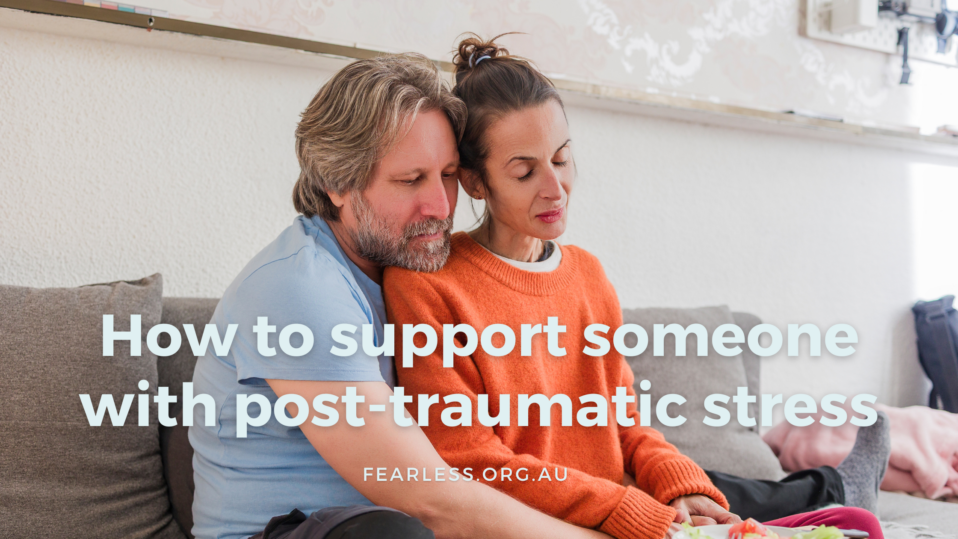
When someone you love is living with post-traumatic stress, it can be hard to know what to do. You might worry about saying the wrong thing, feel helpless watching them struggle, or quietly wonder how you’re coping yourself. All of that is normal, and none of it means you’re getting it wrong.
The support of family and friends makes a real difference to how someone recovers from trauma. You don’t need to be an expert or have the perfect words. Often it’s the steady, ordinary presence of someone who cares that helps most.
Why the people around someone matter so much
Post-traumatic stress can change how a person sleeps, how they react to stress, and how connected they feel to the people around them. They might withdraw, seem on edge, avoid certain places, or have days where everything feels like too much. Our overview of what post-traumatic stress is explains more about how it shows up.
Living alongside that can be confusing and painful, especially when the person you knew seems harder to reach. Understanding that these responses come from the trauma, and not from anything you’ve done, is a helpful place to start.
What helps when you talk to them
The most useful thing you can offer is a willingness to listen without trying to fix everything. Let them share what they want to share, at their own pace, and resist the urge to fill silences or offer quick solutions. Simple, honest words go a long way. Telling someone you’re there, that you believe them, and that you’re not going anywhere can mean more than any advice.
It also helps to be patient with the ups and downs. Recovery from trauma rarely moves in a straight line, and a hard day doesn’t undo progress. Following their lead on what feels safe, whether that’s a quiet coffee at home instead of a crowded outing, shows respect for where they’re at.
What to avoid
Some well-meaning responses can land badly. Try to steer clear of phrases that minimise what they’ve been through, like telling them to move on, reminding them it could have been worse, or suggesting they just think positive. Pushing someone to talk before they’re ready, or to explain the details of their trauma, can also do harm.
You don’t have to walk on eggshells. Being genuine, admitting when you don’t know what to say, and asking what they need is far better than staying silent for fear of getting it wrong.
Supporting a partner
When your partner has post-traumatic stress, it can affect the relationship in ways that are hard to talk about, from intimacy and communication to the everyday sharing of load at home. Keeping the lines of communication open, without demanding more than either of you can give, helps you weather that together.
Small things matter here. Learning their triggers, agreeing on ways to signal when they need space, and celebrating the good stretches all build trust. If the relationship is under strain, couples counselling with someone experienced in trauma can give you both a place to work through it.
Supporting a friend or family member
You don’t have to live with someone to be a steady support. Keeping in regular, low-pressure contact tells a friend or relative they haven’t been forgotten, even on the days they can’t respond. A short message, an invitation with no obligation to accept, or simply remembering something they mentioned last time all show you’re paying attention.
Practical help can lift a real weight too. Offering a lift, dropping off a meal, or helping with a task that feels overwhelming often speaks louder than words, particularly during a harder period like the colder winter months.
Looking after yourself
Supporting someone through trauma takes something out of you, and your wellbeing matters just as much as theirs. Carers and loved ones can experience their own stress, exhaustion and worry, and running yourself into the ground helps no one. Giving yourself permission to rest, keeping some of your own routines, and leaning on your own supports are all part of being there for the long haul.
In Australia, Carers Australia and the free Carer Gateway service (1800 422 737) offer counselling, practical advice and peer support for anyone caring for a loved one. Phoenix Australia, the national centre of excellence in posttraumatic mental health, also has dedicated guidance for family and friends.
Where to find support
If you or the person you’re supporting needs to talk to someone, help is available.
- Lifeline — 13 11 14 — 24-hour crisis support.
- Carer Gateway — 1800 422 737 — support and services for carers.
If someone is in immediate danger, please call 000.
FearLess and community
FearLess is a charity supporting people living with post-traumatic stress and their families across Australia and New Zealand. The people who stand beside someone with post-traumatic stress are part of that community too, and they deserve support of their own.
If you believe everyone affected by post-traumatic stress deserves better access to information, community and care, you can support our work or read more on the FearLess blog.
This article is for general awareness only. FearLess is not a medical organisation, and this content is not a substitute for professional advice. Please seek support from an appropriately qualified professional for your own circumstances. If you are in danger, call 000.